When a major football tournament arrives, the host city becomes part of the experience. Visitors move between accommodation, match venues, dining areas and public spaces, often sharing the city with residents and other travelers. The details differ by place, and no single visitor plan works everywhere. Use reliable city and event information to understand what is happening during your dates, then build a visit around a few areas that fit your interests.
Established tournament host cities include places such as London, Paris, Berlin, Rome and Madrid, which have each hosted major international football events. That history does not guarantee any particular public viewing, transport service or tournament activity on a future date. Check the current tournament organizer and local authorities for confirmed arrangements.
Think in districts, not just destinations
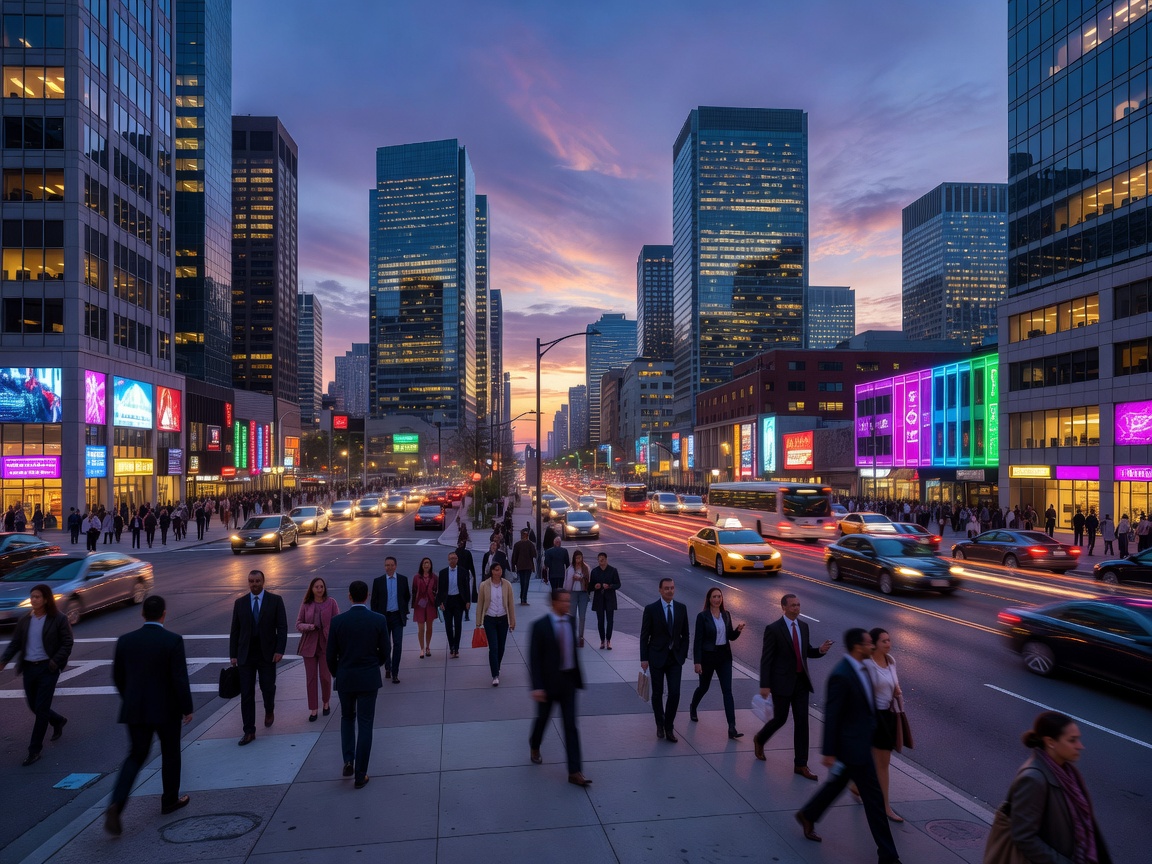
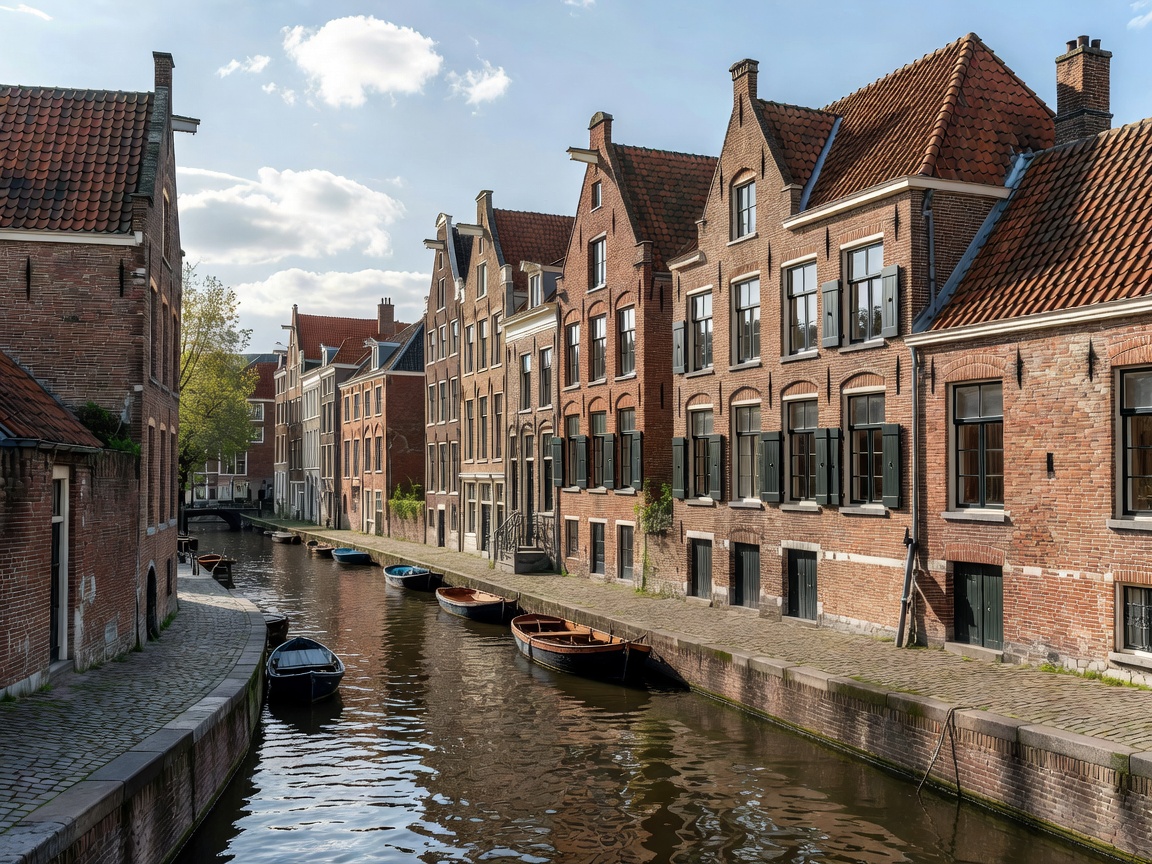
Start by locating your accommodation, match venue and likely meeting points. Then look at the neighborhoods between them. A central district may have dining, cultural venues and pedestrian streets, while another area may offer quieter cafés or a green space for a daytime break. A map helps reveal whether a plan is a short walk or requires a longer cross-city journey.
Football-related activity may be concentrated near a stadium, a central square or a temporary event location. These areas can be exciting but busy. Consider visiting a district earlier in the day or choosing a second option nearby if you prefer room to explore. Follow official guidance on access, temporary closures and public events.
Daytime discovery and evening energy
Daytime plans can include architecture, museums, markets, parks and neighborhood walks. Keep the schedule realistic: a match day may involve early travel, security checks, queues or long periods on your feet. Choose one or two places rather than filling every hour, and consider how much time you need to return, eat and reach your viewing location.
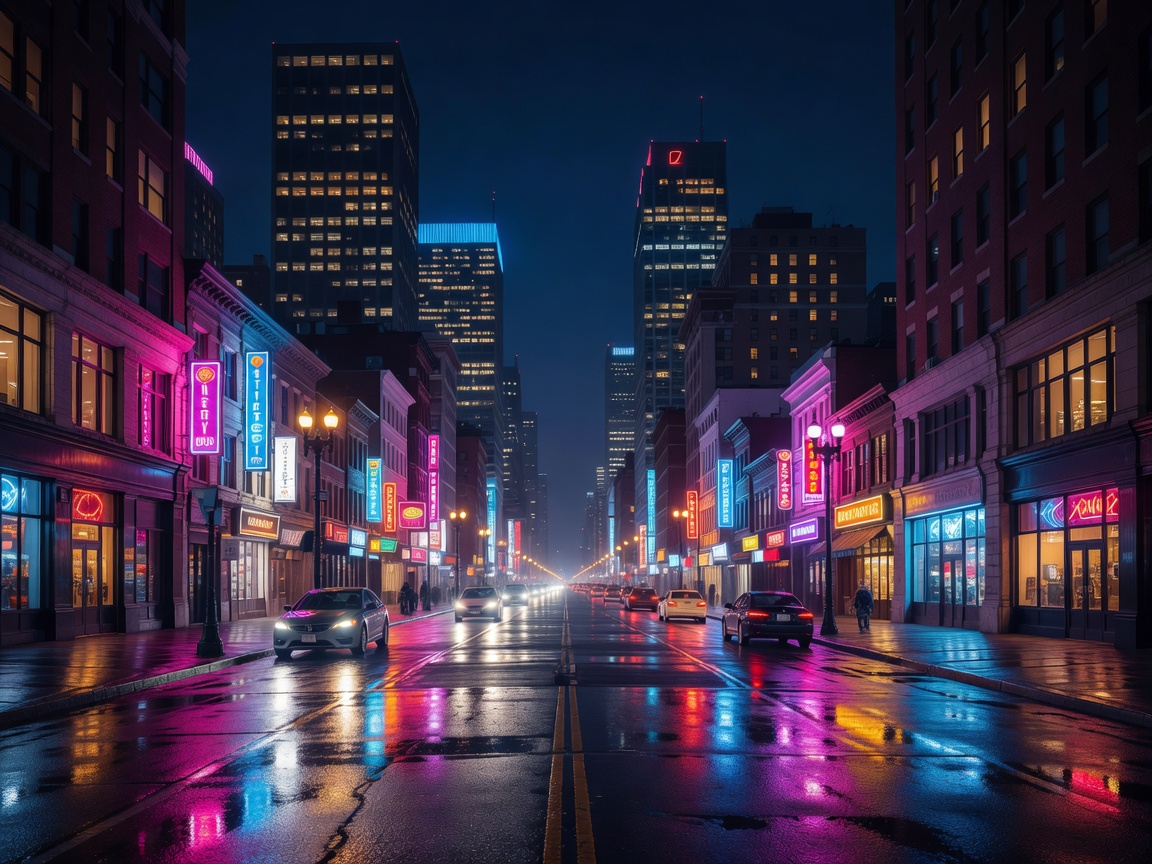
Evening brings a different city. Restaurants, bars, performance spaces and pedestrian areas may be active, but local opening patterns and event schedules vary. Check current listings for cultural programming, and make a backup plan in case a venue is full. For more inspiration, see our nightlife and entertainment guide.
Public viewing, dining and local culture
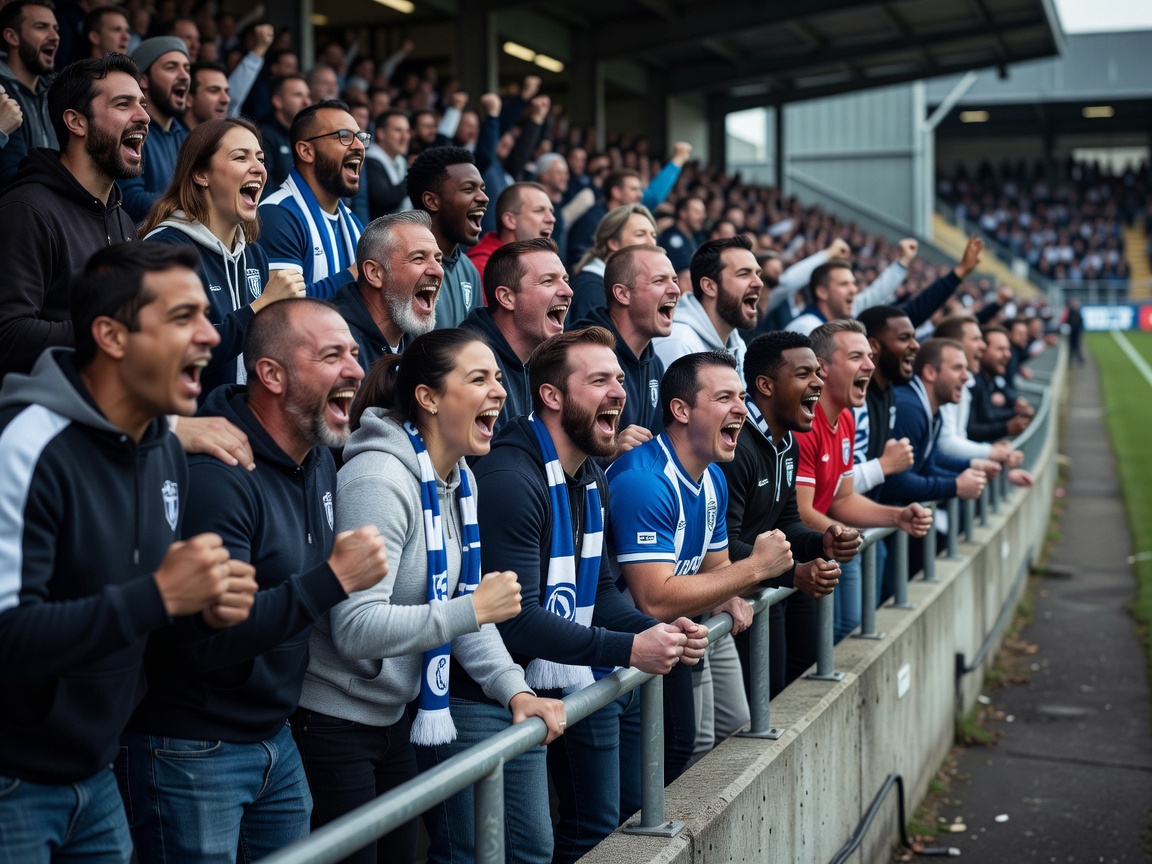
Public viewing offers a way to share the match outside a stadium. It may be organized in a square, park or indoor venue, with services and access rules set locally. Learn more in our fan zones guide. A sports bar or restaurant can offer a smaller-scale alternative, but confirm the broadcast, screen visibility and reservation policy before traveling.
Use food as a natural part of your route. A local meal can make time between activities feel purposeful, while a café stop gives the group a chance to rest. Look for neighborhood businesses and check menus, dietary options and booking arrangements directly. Treat online listings as useful leads, not a guarantee of current service.
Choosing where to stay
Accommodation close to a match venue may reduce one journey but can place you farther from cultural attractions or evening dining. A central location may provide more choices but still require travel to the stadium. Compare likely travel routes, how late you expect to return, and how comfortable your group feels navigating the area. Consider accessibility needs, luggage logistics and quieter rest time—not only proximity to a landmark.
Use official transport information for current routes, service changes and event-day guidance. Avoid planning around an assumed journey time, especially when large crowds are expected. If you are staying beyond the match, check whether your onward travel aligns with your schedule and keep a simple alternative route saved.
Balance the stadium and the city
Match-led visit
Prioritize the venue area, travel buffer and a dependable viewing plan. Add one nearby meal or short city walk.
City-led visit
Choose a neighborhood or cultural experience as the day’s anchor, then fit the match around it with realistic travel time.
Neither approach is better; the right balance depends on your trip length and priorities. A short visit may favor one memorable city experience. A longer stay can leave room for contrasting neighborhoods, a daytime excursion and a relaxed evening. If a fixture time changes or plans become crowded, be willing to simplify.
Respect local rhythms
Tournament visitors share public spaces with residents. Be mindful of noise, queues, local customs and posted restrictions. Use designated pedestrian routes, respect private property and dispose of litter responsibly. If a planned area feels too crowded, move away rather than pressing toward a single viewpoint.
Host-city arrangements are event-specific. This guide does not claim that any city currently offers a particular fan zone, service, opening schedule or tournament program.
For practical ideas on choosing where to watch, read sports bars and public viewing. To connect transport, food and timing into one flexible itinerary, continue to planning your tournament experience.