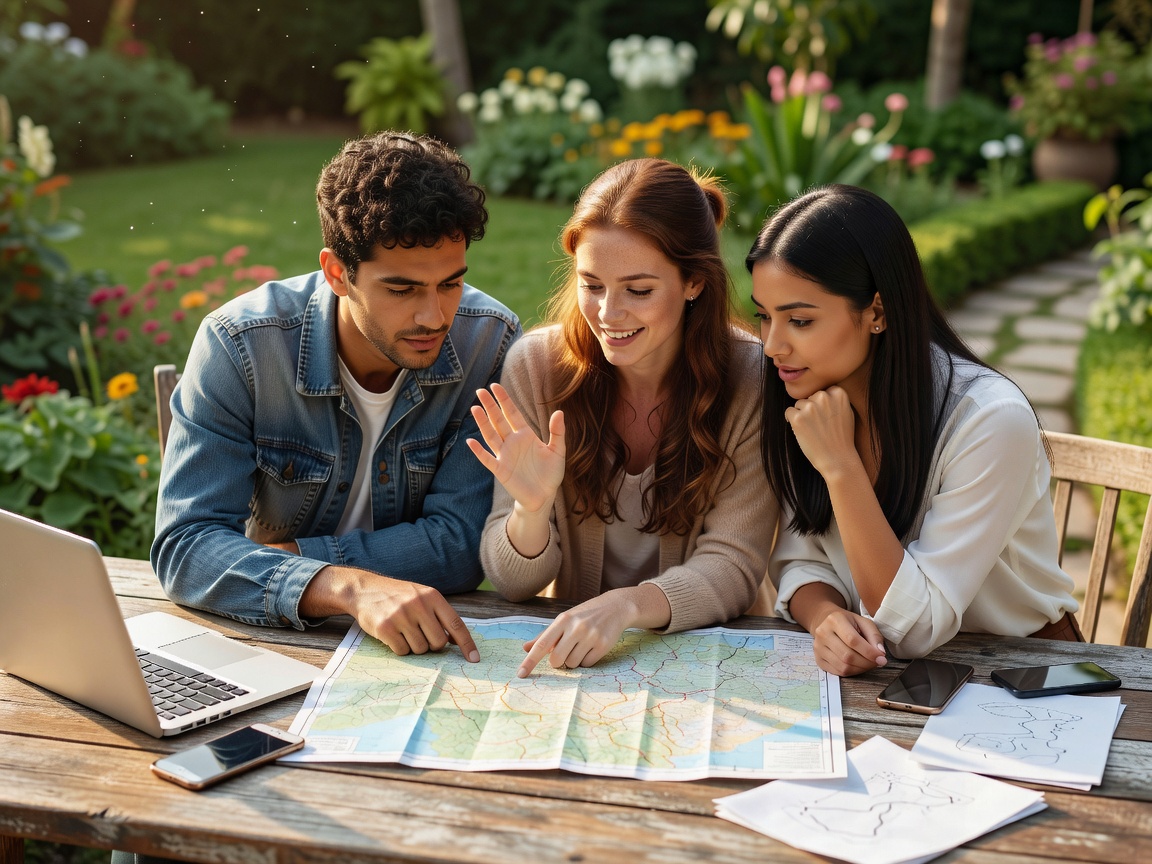
Tournament days are easier when the essential details are decided in advance and the rest remains flexible. Travel times, crowd levels, broadcast arrangements and local events can change. Instead of building a minute-by-minute itinerary, choose a primary viewing plan, a meal option and a practical backup. This gives your group structure without making the evening fragile.
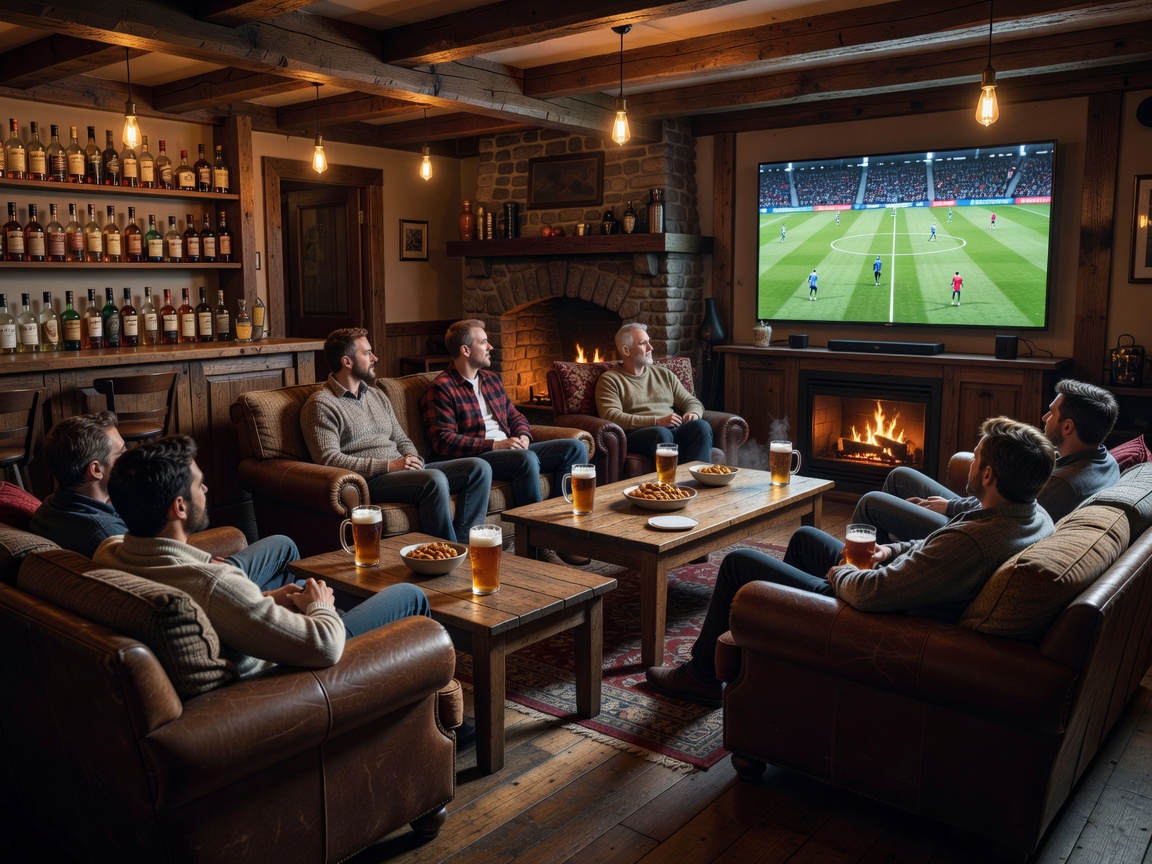
Begin with the experience you want. A fan zone may suit people who enjoy outdoor crowds; a restaurant or bar may be better for a reserved seat and food; a quieter city activity may be ideal for companions who are less focused on the match. Compare the formats in our fan zones and sports bars and public viewing guides.
Choose where to watch
Check whether the match is being shown, what the viewing environment is like and whether the location matches your group’s needs. For a venue, ask about screen visibility, sound, seating, reservation rules and accessibility. For public viewing, look for location, entry conditions, facilities, permitted items and weather exposure. Confirm details with the venue or event organizer; do not rely on old listings or assumptions based on previous tournament editions.
Make the plan understandable to everyone. Share the location, meeting time, route and a contact method. If people are arriving separately, pick an easy-to-find meeting point away from the busiest entrance. Keep a second viewing option in mind in case a space is full, a booking changes or a member of the group needs a quieter setting.
Plan backward from kickoff
Work back from the match start rather than guessing when to leave. Allow time for the journey, finding the entrance, queues, ordering food and settling into a viewing position. Build in extra time on event days, when pedestrian routes or transport patterns may differ. Use official local travel sources for current service information, closures and crowd guidance.
If you have a reservation, confirm the arrival window and late-arrival policy. If you do not, decide how long your group is willing to wait before switching to the backup. Keep the itinerary realistic: an ambitious cross-city stop immediately before kickoff may create unnecessary pressure.
Food and reservations
Decide whether eating before the match, during the broadcast or after the final whistle makes the most sense. A booked meal can give the evening an anchor, but it may limit your flexibility if travel is delayed. A casual option can be easier to adjust, although space and service may not be predictable. Ask about dietary requirements, group seating and current booking conditions directly with the business.
Do not assume prices, menus or opening hours from older information. For larger groups, share dietary notes early and choose a meeting point outside the restaurant in case arrivals are staggered. If the venue is match-focused, verify that the fixture is on and that your seating area has a usable view.
Coordinate transport and the return
Check how you will arrive and leave before the evening begins. Confirm current transport routes and service changes using official sources. If walking is part of the plan, consider the distance, accessibility of the route, lighting and the condition of the group after a long day. For taxis or ride services, agree on a pickup place that is not directly in the busiest crowd flow.
Save the accommodation address, share a group location plan if everyone is comfortable with that, and make sure phones have enough battery. Agree what to do if the group separates. A simple plan—one meeting point, one backup and one clear return option—can be more useful than a complicated schedule.
Accessibility, safety and comfort
Ask venues and organizers about step-free routes, accessible toilets, seating, assistance and any event-specific arrangements. The needs of a matchday layout may differ from a venue’s usual setup, so ask specific questions. Think about rest breaks, medication, water, weather protection and ear protection when relevant. Keep emergency contacts and essential information available, and follow local safety instructions.
For groups with different energy levels, set a shared anchor and allow people to opt into separate activities. Agree when and where to reconnect. A quieter alternative—such as a relaxed meal or short walk—can help if the planned area becomes too crowded or noisy.
Build in a plan B
If the viewing spot is full
Know a second venue or public viewing option and how to reach it. Avoid spending the entire pre-match window searching.
If the evening changes
Keep a flexible food stop and a simple route home. Confirm current details before changing plans.
Contingency planning does not need to be complicated. Save two nearby options, check their latest information and identify the nearest useful transit point. If a match or event schedule changes, use official updates before departing. A backup plan is especially valuable when traveling with children, larger groups or people with specific access needs.
Combine football and city time
Give the city its own space in the itinerary. A market visit, neighborhood walk, museum or local meal can create a memorable day even when the match is not the only priority. Choose activities that are reasonably close together and leave enough time to rest. Browse tournament cities for ideas on connecting urban discovery with matchday, and see nightlife and entertainment for options after the final whistle.
This guide is general planning information, not live event, venue, ticket or transport advice. Confirm current arrangements with official sources and local businesses.
The best tournament experience is not necessarily the busiest one. A clear viewing plan, a generous travel buffer and a willingness to adapt leave room for the moments you could not schedule.