Watching a tournament match away from a stadium can be as social—or as relaxed—as you choose. Sports bars, pubs, restaurants and public viewing events each offer a different balance of atmosphere and comfort. Rather than assuming that every venue will show every match, look for current information from the venue or organizer. Broadcast arrangements, capacity, food service and access can vary by location and date.
A useful first step is to decide what makes a good viewing experience for your group. Is the match sound essential? Would you rather have a table and a meal? Are you traveling with children, someone who needs step-free access or a larger group that wants to sit together? Those answers can narrow the field more effectively than searching only for the busiest place.
Choosing a venue type
Sports bars
A dedicated sports bar may prioritize screens and match atmosphere. Before committing, ask whether the specific fixture is being shown, whether sound will be on, how seating is arranged and whether reservations are possible. A large screen count does not automatically mean every seat has a clear view, so a floor plan or direct question can be helpful.
Pubs and neighborhood bars
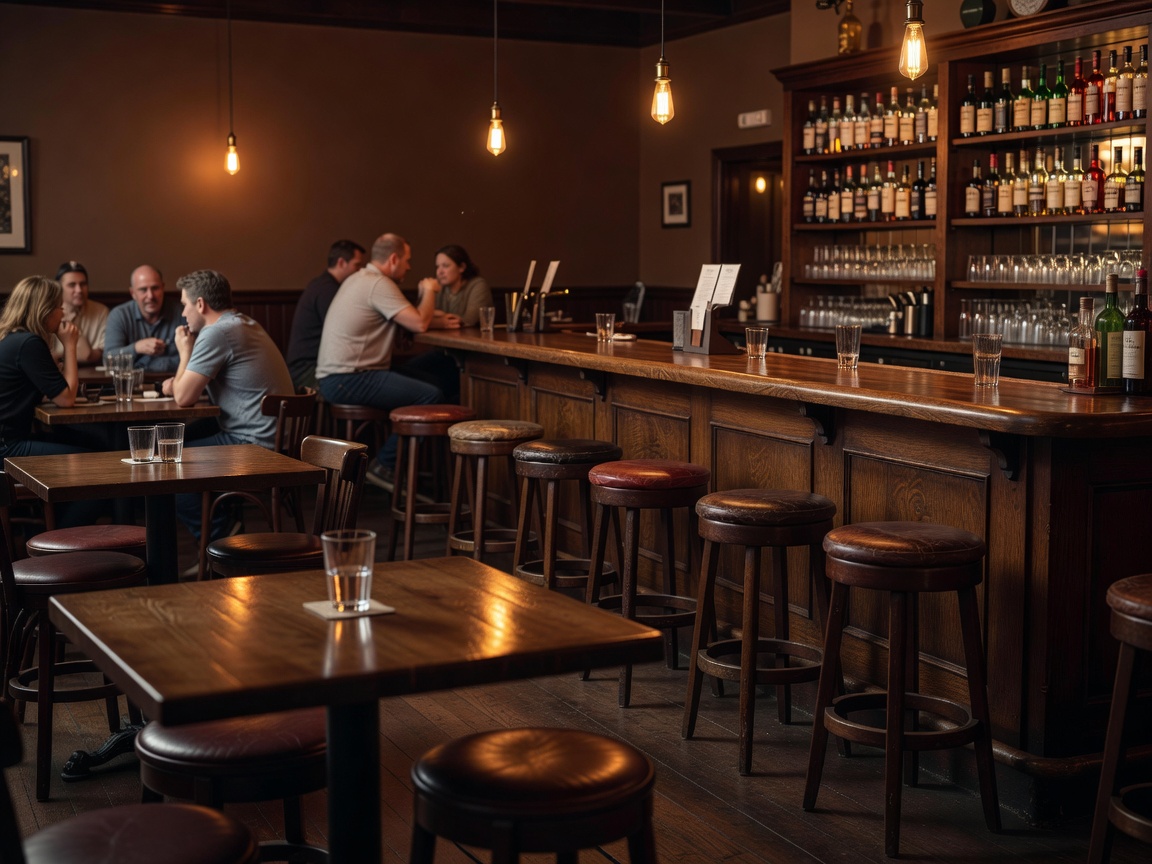
Local pubs can offer a more intimate setting and a chance to spend time in a residential or central district. Their match coverage and space may be limited. Some may take bookings; others may work on a first-come basis. Confirm the arrangement instead of assuming walk-in seating will be available.
Restaurants and organized viewing
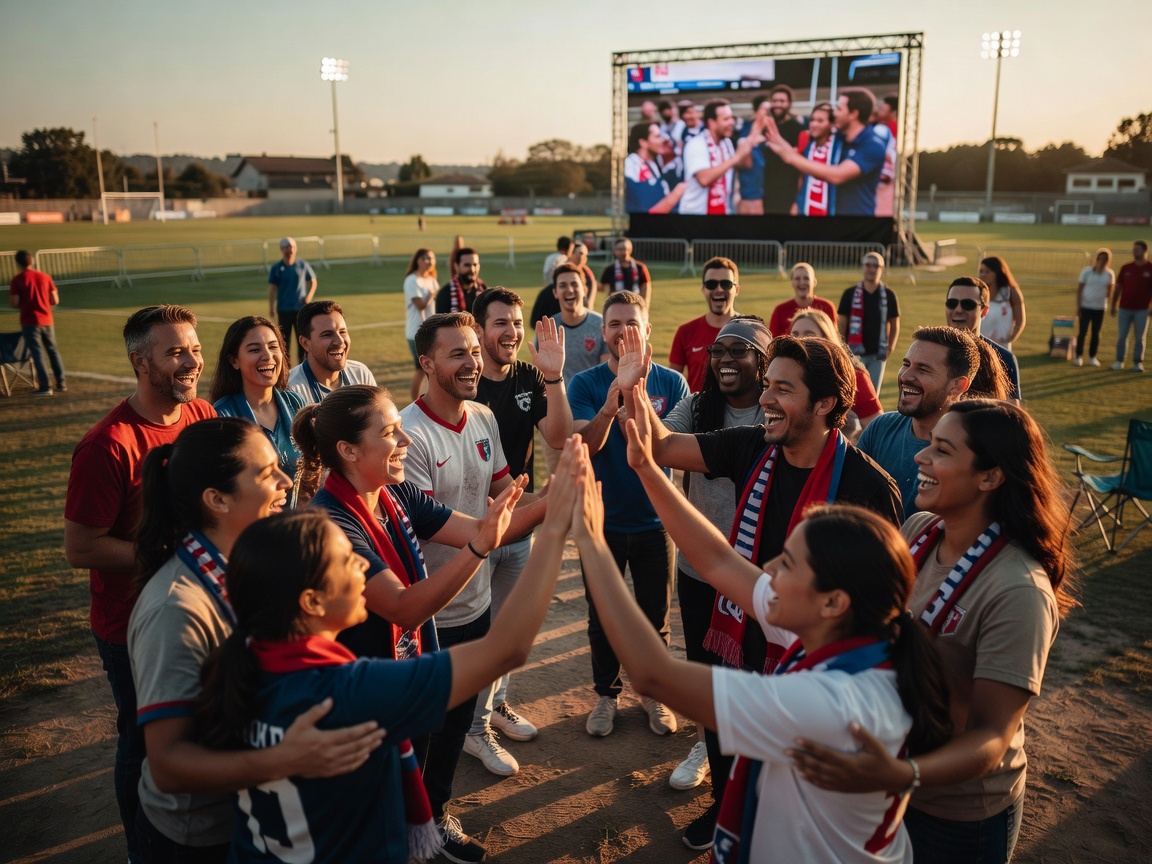
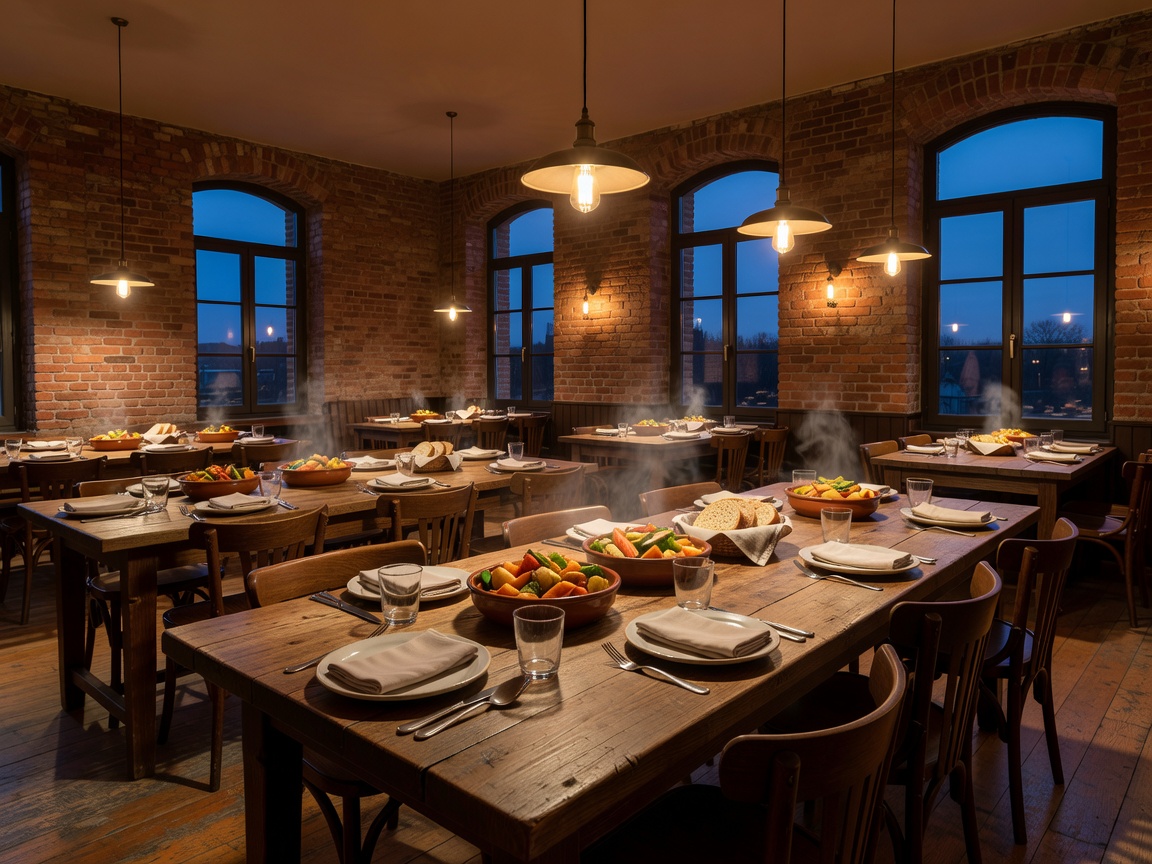
A restaurant can work well when food and comfort matter as much as the broadcast, but the screen may not be visible from every table. Public viewing spaces often bring larger groups together, with less emphasis on reserved seating. See our fan-zone guide for an outdoor-event perspective.
Indoor versus outdoor viewing
Indoors
Shelter, a more contained setting and potentially easier access to food and seating. Sightlines, room capacity and noise can still vary.
Outdoors
Open-air energy and room for a broader crowd. Weather, sound conditions, seating and event access need extra checking.
Screen, sound and seating checklist
Ask practical questions before you book or travel: Is the match broadcast confirmed? Is sound planned, and could other screens show different programming? Are there seats with a clear view? Can a group reserve adjacent places? Is the venue accessible to your party, including its entrance, toilets and seating area? For a restaurant, ask whether a match-viewing table can be requested; for a pub, ask about arrival guidance and group policy.
Audio matters. A venue with the sound turned down can feel very different from one built around a collective broadcast. If someone in your group is sensitive to noise, a smaller venue or an outdoor spot away from the densest crowd may be preferable. When visibility is important, consider arriving early enough to choose a place rather than expecting to move once the match begins.
Reservations, food and group plans
Reservation policies may change for major fixtures. Confirm the time you are expected to arrive, how long a table is held, whether a deposit or minimum spend applies and what happens if the match time shifts. This guide does not list current prices or venue availability; ask the venue directly for its latest terms. If bookings are not offered, make a backup plan nearby and leave a generous travel buffer.
For food, consider whether you prefer a full meal before kickoff, a venue serving throughout the broadcast or a quick stop after the final whistle. Some places may have a matchday menu or adjusted service, but do not assume that they do. Check dietary options and payment preferences in advance, particularly when traveling with a group.
Accessibility and arrival timing
Confirm step-free entry, accessible toilet facilities, seating options and any companion arrangements directly. A venue’s general accessibility statement may not answer questions about the match layout, so describe the specific needs of your party. Arrival timing also affects the experience. Early entry may make it easier to settle, order food and find a sightline; arriving close to kickoff can mean waiting or choosing a less suitable position.
Best for a big shared atmosphere: public viewing or a sports-focused bar. Best for combining dinner and the match: a restaurant that confirms screen visibility. Best for flexibility: a less formal local venue, if it has the broadcast and space you need. Every option has trade-offs, so set expectations and keep an alternative in mind.
Match coverage, seating, opening times and reservation terms are venue-specific and may change. Confirm all current details directly with the business or event organizer.
Make the evening easy
Choose a location close to your next stop or a reliable route back to your accommodation. Share the venue address and meeting plan with everyone in your group, and decide what to do if the place is full. If you want to keep the night going, explore nightlife and entertainment ideas. For a broader checklist covering food, transport and backup options, open the tournament planning guide.